Poles for Fencing: Precast Posts vs Prestressed Posts
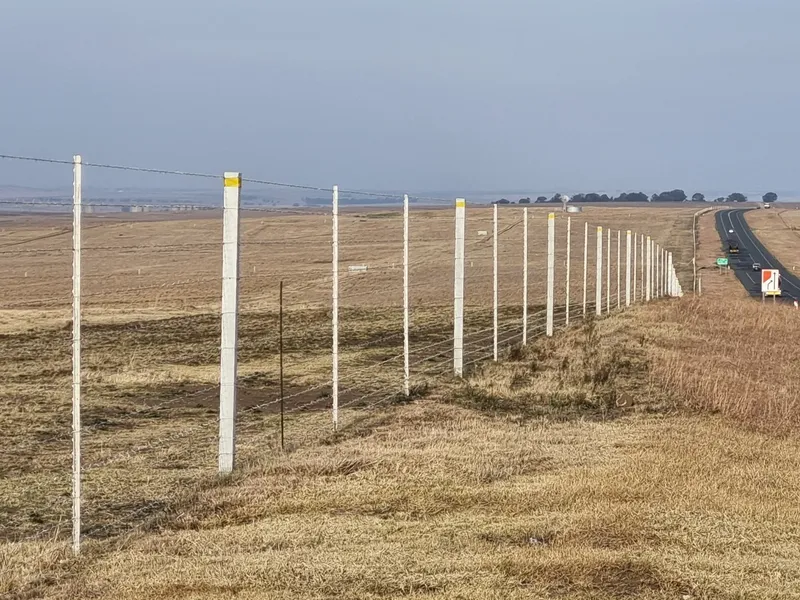
Choosing Between Precast and Prestressed Poles for Fencing
When you are looking into high quality fencing solutions for your property, you will almost certainly come across two specific terms: precast concrete and prestressed concrete. While they might look nearly identical on a delivery truck, the structural science behind them is vastly different. Understanding these differences is essential because the choice you make today will dictate the strength, durability, and total maintenance costs of your perimeter for decades to come. Selecting the right poles for fencing is a decision that affects the safety of your entire estate and the longevity of your investment.
1. Precast Concrete: The Traditional Entry-Level Option
Precast concrete is the most common form of concrete fencing. The manufacturing process involves pouring a concrete mixture into a pre-shaped mould that contains a cage or frame of conventional reinforcing steel, commonly known as rebar. Once the concrete has hardened and cured in a factory setting, the mould is removed and the precast posts are ready for installation.
The Structural Reality: In this setup, the steel rebar provides what engineers call "passive reinforcement." This means the steel only starts to provide structural support after the concrete has already begun to bend or crack under external pressure. Many property owners choose these poles for fencing because they are readily available at most hardware suppliers and offer a familiar aesthetic.
The Pros:
Budget Friendly: It is generally the more affordable option for those looking for a quick, low cost installation.
The Cons:
Limited Load Capacity: It is not engineered to withstand heavy lateral pressure, such as high winds or physical impacts.
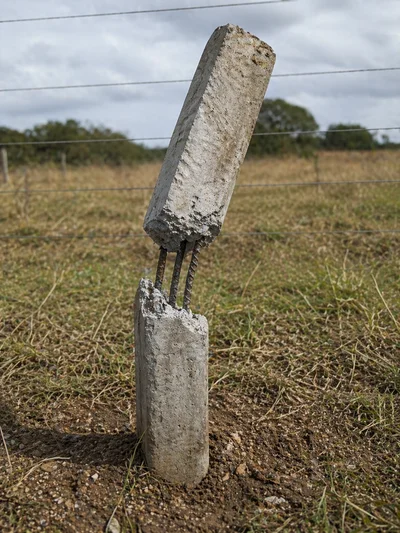
Weather Vulnerability: Over time, moisture can penetrate the concrete. This causes the internal rebar to oxidize and expand, leading to "concrete cancer" where the post eventually splits and crumbles.
Target for Theft: Because precast poles for fencing rely on heavy, thick steel rebar for shape, they are unfortunately popular targets for thieves who smash the concrete to harvest the scrap metal for resale.
2. Prestressed Concrete: The Gold Standard of Engineering
Prestressed concrete is a much more advanced technology. It utilizes the same engineering principles used to build massive highway bridges and skyscrapers. During the production process, high tensile steel wires are stretched to an extreme degree of tension using hydraulics. The concrete is then poured around these taut wires. Once the concrete has reached a specific strength, the tension is released.
The Structural Reality: When the tension is released, the wires try to shrink back to their original length, which pulls the concrete together. This creates a permanent state of internal compression. This active force makes these poles for fencing incredibly dense and resilient compared to traditional versions.
The Pros:
Unrivaled Strength: Because the concrete is already being squeezed together, it can handle immense pressure and heavy impacts without cracking.
Zero Maintenance: These posts do not rot, rust, or decay. They are completely immune to the "rust and split" cycle seen in cheaper materials.
Environmental Immunity: Prestressed concrete is naturally resistant to fire, extreme frost, and biological pests like termites.
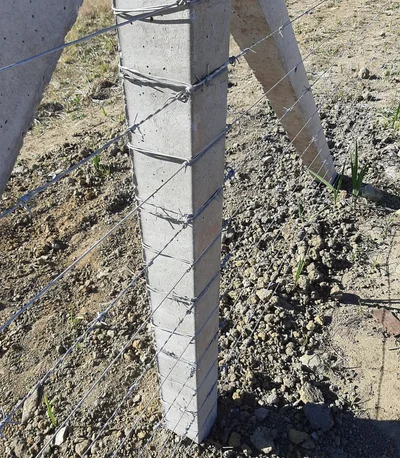
Security Savvy: These specific poles for fencing use very thin, high strength wires rather than thick rebar. This makes them essentially worthless to scrap metal thieves, providing an extra layer of security for your property.
Why the Engineering Matters for Your Property
A fence is more than just a line on a map; it is a vital security barrier and a long term asset for your estate. Choosing prestressed concrete is an investment in "life cycle value." While the initial cost may be slightly higher than standard precast, you avoid the inevitable costs of replacing cracked posts or repairing fences damaged by the elements.
By opting for prestressed poles for fencing, you ensure:
Maximum Lifespan: A fence that can easily last for generations without losing its structural integrity.
Structural Flexibility: The ability to withstand extreme weather conditions and physical pressure without snapping or failing.
Low Lifetime Cost: You save money over the long term by eliminating the need for constant upkeep and replacement parts.
Final Thought
When we choose materials for our homes and businesses, we should look beyond the immediate price tag. True value lies in building something that stands as a legacy, providing security and beauty for the next generation.
“A good man leaves an inheritance to his children's children.” — Proverbs 13:22